
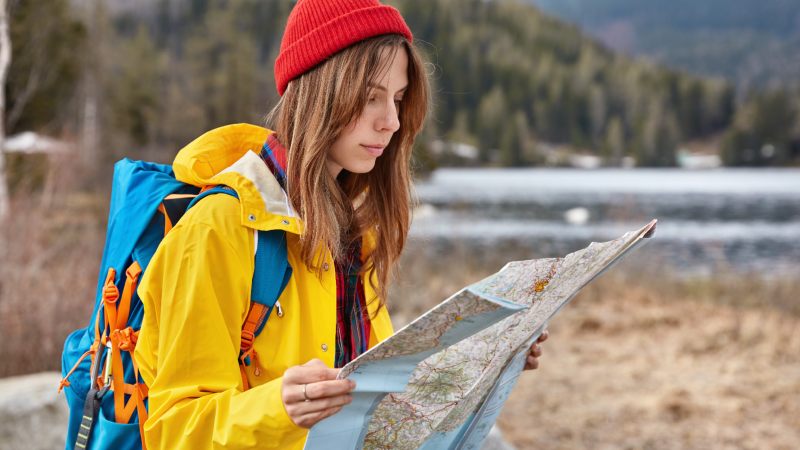
Traveling can be an exciting experience, offering opportunities to discover new destinations, enjoy different cultures, and create lasting memories. However, preparing for a journey can sometimes feel challenging. From organizing luggage and managing expenses to planning transportation and finding suitable accommodation, even a short trip requires thoughtful preparation.
The good news is that a few simple strategies can make traveling more comfortable, affordable, and enjoyable. Using practical traveling hacks cwbiancavoyage can help travelers save time, avoid common mistakes, and make better decisions throughout their journeys. Whether you are planning a weekend getaway, a family holiday, or an international adventure, smart travel habits can make a noticeable difference.
1. Plan Your Journey in Advance
Good travel experiences often begin with proper planning. Before choosing activities or booking accommodation, research your destination and understand what it offers.
Check the weather, local transportation options, popular attractions, and general travel requirements. This information helps you decide what to bring and how to organize your schedule.
Create a simple travel plan that includes:
- Your departure and return dates
- Accommodation details
- Transportation arrangements
- Places you want to visit
- Important reservations
- Estimated daily expenses
You do not need to plan every minute of your trip. Leave some free time for unexpected discoveries and relaxing activities. A flexible schedule gives you structure without making the journey feel rushed.
2. Pack Light and Choose Versatile Clothing
Carrying too much luggage can make traveling difficult. Heavy bags are inconvenient in airports, train stations, hotels, and busy streets. Packing only what you need can make moving between destinations much easier.
Start by checking the weather forecast and selecting clothing suitable for your activities. Choose versatile items that can be combined in different ways. Neutral colors, comfortable trousers, lightweight shirts, and practical outerwear can create several outfits without taking up too much space.
Packing cubes can also help separate clothing, accessories, and personal belongings. Rolling softer garments is another useful option when organizing a suitcase.
One of the most useful traveling hacks cwbiancavoyage is preparing a packing checklist before departure. It helps you avoid forgetting essentials while preventing unnecessary items from filling your luggage.
3. Compare Travel Prices Before Booking
Travel expenses can vary significantly depending on the destination, season, and booking method. Comparing different options before making reservations can help you manage your budget.
When searching for flights, check multiple booking platforms and compare the total cost rather than focusing only on the advertised price. Additional charges for baggage, seat selection, and changes may affect the final amount.
For accommodation, consider location, available facilities, guest reviews, and cancellation policies. A cheaper hotel far from major attractions may result in higher transportation costs.
Booking early can sometimes provide more choices, especially during busy travel periods. However, compare different dates and providers before deciding. A little research can help you find an option that suits your budget and travel preferences.
4. Keep Important Documents Organized
Travel documents are among the most important items to prepare. Losing access to identification, tickets, or reservation details can create unnecessary complications.
Keep your passport, identification, boarding passes, accommodation confirmations, and other necessary documents in a secure travel organizer.
It is also useful to keep digital copies of important documents in a secure location. Make sure you can access them when needed, even if your internet connection is limited.
Before leaving, check that your passport and any required visas meet your destination’s entry requirements. Review official travel information to confirm the latest rules.
Organizing documents in advance reduces last-minute stress and makes airport or hotel check-ins easier.
5. Save Money on Food and Daily Expenses
Food is an important part of experiencing a new destination, but restaurant expenses can quickly increase your travel budget.
Instead of eating at expensive tourist locations for every meal, explore local restaurants, cafés, and markets. These places may offer interesting regional dishes at more reasonable prices.
You can also:
- Carry a reusable water bottle where permitted.
- Purchase simple snacks from local grocery stores.
- Check restaurant menus and prices before ordering.
- Look for accommodation with breakfast included.
- Set a daily food budget.
- Avoid unnecessary purchases when sightseeing.
Trying local food can make a trip more memorable. The goal is not to avoid spending money but to choose experiences that provide good value.
6. Use Technology to Make Traveling Easier
Smartphones and travel applications can simplify many parts of a journey. Navigation tools help you understand unfamiliar areas, while translation applications can make communication easier when visiting places where you do not speak the local language.
Before leaving home, download useful maps and save important addresses. Offline access can be especially helpful when mobile data is unavailable or unreliable.
Other useful digital tools include:
- Flight and train booking applications
- Currency conversion tools
- Weather applications
- Translation services
- Digital packing checklists
- Accommodation reservation applications
Keep your phone charged and carry a suitable charging cable. If you are traveling internationally, check whether your destination requires a different power adapter.
7. Choose Accommodation Carefully
Where you stay can influence the comfort and convenience of your entire trip. Before booking a hotel, apartment, or guesthouse, consider its location and the facilities available.
Read recent guest reviews to understand the quality of service, cleanliness, and surrounding area. Look at the distance from public transportation and the attractions you intend to visit.
A slightly more expensive place near important locations may save time and transportation expenses. On the other hand, accommodation farther away may be suitable if public transportation is affordable and convenient.
Always review the cancellation policy, check-in arrangements, and additional charges before confirming a reservation.
8. Make Transportation More Convenient
Transportation is another important part of travel planning. Depending on your destination, public buses, trains, metro systems, taxis, and rental vehicles may all be useful options.
Research transportation choices before arriving. Understanding how local transport works can prevent confusion and help you avoid unnecessary expenses.
For longer journeys, compare travel times and prices between different services. For shorter distances, walking may be a convenient way to explore nearby attractions.
If you plan to rent a vehicle, review the rental agreement, insurance conditions, driving regulations, and parking arrangements.
Good transportation planning helps you spend less time worrying about getting around and more time enjoying your destination.
9. Protect Your Health and Personal Belongings
Comfort and safety should always be part of travel preparation. Keep essential medication, personal-care products, and any necessary health documents accessible.
Wear comfortable shoes, stay hydrated, and allow enough time for rest between activities. Long journeys and busy sightseeing schedules can become tiring if you do not take breaks.
Protect your belongings by using secure bags and keeping valuables in safe locations. Avoid displaying large amounts of cash or leaving important items unattended.
It is also sensible to research local emergency contact information and understand any relevant safety guidance before traveling.
10. Leave Room for Unexpected Experiences
A well-organized itinerary is helpful, but planning too many activities can make a holiday exhausting. Some of the most enjoyable travel experiences happen unexpectedly.
You might discover a small café, visit a local market, find a scenic walking route, or speak with residents who recommend an interesting place.
Allowing free time in your schedule gives you the flexibility to enjoy these opportunities. If an attraction is crowded or the weather changes, you can adjust your plans without feeling disappointed.
Smart traveling hacks cwbiancavoyage are not only about saving money or packing efficiently. They also involve creating enough flexibility to enjoy a destination at your own pace.
11. Keep Your Travel Budget Under Control
A travel budget helps you understand how much you can comfortably spend. Divide your expected expenses into categories such as transportation, accommodation, food, activities, and shopping.
Keep track of purchases during the trip. A simple note on your phone can help you understand where your money is going.
It is also wise to keep a small emergency reserve separate from your everyday spending money. Unexpected transportation changes, additional accommodation costs, or other surprises can happen during a journey.
Avoid spending your entire budget on the first few days. Managing expenses throughout the trip gives you more freedom to enjoy later activities.
12. Review Your Travel Routine After Every Trip
Every journey teaches you something useful. After returning home, consider which items you used, which activities you enjoyed most, and what could be improved next time.
Perhaps you packed too many clothes, spent more than expected on transportation, or forgot an important accessory. Write down these observations while they are still fresh in your memory.
You can use these lessons to improve your future plans and create a personal checklist. Over time, traveling hacks cwbiancavoyage can become part of a reliable routine that makes preparing for new destinations easier.
Conclusion
Traveling becomes more enjoyable when preparation, organization, and flexibility work together. Planning ahead, packing light, comparing prices, organizing documents, and using helpful technology can reduce common travel challenges.
You do not need complicated arrangements to enjoy a successful journey. Small decisions, such as choosing convenient accommodation or preparing a simple checklist, can make a meaningful difference.
The best approach is to understand your needs, manage your budget, and leave enough room for new experiences. With practical habits and thoughtful preparation, every journey can become more comfortable, organized, and memorable.