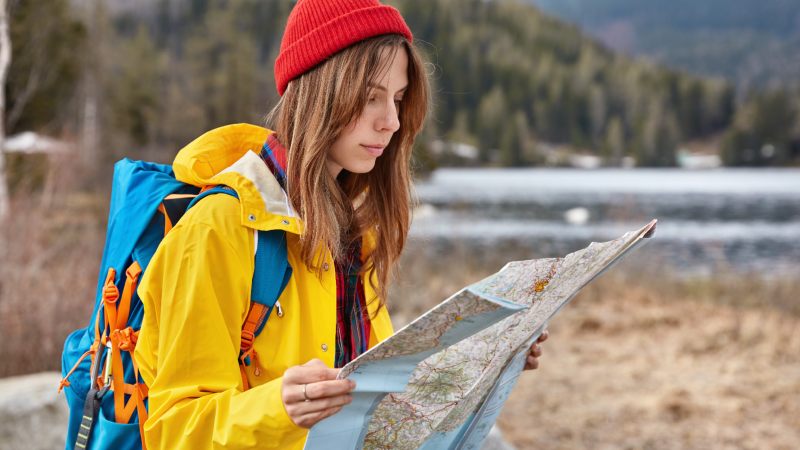
Traveling is one of the most rewarding ways to explore the world, experience different cultures, meet new people, and create lasting memories. Whether you are planning a weekend getaway, a family vacation, a solo adventure, or an international trip, proper preparation can make your journey more enjoyable. However, traveling can sometimes feel overwhelming when you have to manage packing, transportation, accommodation, expenses, and unexpected changes.
The concept of easy traveling cwbiancavoyage focuses on making travel simpler, more comfortable, and better organized. Instead of worrying about every small detail, travelers can follow practical strategies that save time, reduce stress, and help them enjoy their destinations. With the right planning and a flexible mindset, even a complicated trip can become a smooth and memorable experience.
This guide explores useful travel tips, smart packing methods, budget-friendly planning ideas, and simple ways to make every journey more enjoyable.
What Makes Traveling Easier?
Easy travel begins with understanding your needs and preparing for the journey in advance. A successful trip does not necessarily require expensive hotels, luxury transportation, or a detailed itinerary. In many cases, the best travel experiences come from thoughtful decisions and realistic expectations.
Travel becomes easier when you know where you are going, understand your transportation options, and have the essential documents and belongings ready. Keeping your plans organized also helps you respond calmly when something unexpected happens.
For example, booking accommodation before arriving at a busy destination can prevent unnecessary confusion. Similarly, keeping digital copies of important documents can make it easier to access essential information when needed.
The goal is to remove avoidable difficulties so that you can focus on enjoying the journey rather than managing constant problems.
Plan Your Trip Before Departure
Planning is one of the most effective ways to reduce travel-related stress. Before leaving home, spend some time researching your destination, estimating your expenses, and identifying the activities you want to experience.
Choose the Right Destination
Start by selecting a destination that matches your interests, budget, available time, and travel style. Nature lovers might prefer mountains, lakes, and national parks, while history enthusiasts may enjoy museums, historic neighborhoods, and cultural landmarks.
Consider the weather, local transportation, safety information, and seasonal travel conditions before making your decision. Researching these details helps you choose a destination that suits your expectations.
Create a Flexible Itinerary
A travel itinerary provides structure without requiring you to plan every minute of the day. List your main activities, transportation arrangements, accommodation details, and important reservations.
Leave some free time between activities. A schedule that is too crowded can turn an enjoyable vacation into an exhausting experience. Flexibility allows you to discover unexpected attractions, enjoy local food, or simply relax when you need a break.
Keep Important Information Accessible
Save your flight details, hotel reservations, transportation tickets, and emergency contacts in an organized location. Digital copies are convenient, but keeping essential information available offline is also useful when internet access is unreliable.
Pack Smart and Travel Light
Packing is often one of the most challenging parts of preparing for a trip. Many travelers bring unnecessary items because they worry about forgetting something important. Packing strategically can reduce luggage weight, save time, and make moving between destinations easier.
Make a Packing Checklist
Create a checklist several days before departure. Include clothing, toiletries, travel documents, chargers, medications you normally use, and other essential items.
Review the list according to your destination and planned activities. A beach vacation requires different items from a winter mountain trip, so avoid packing things simply because you might need them.
Choose Versatile Clothing
Select clothing that can be combined into several outfits. Neutral colors, comfortable shoes, and lightweight layers are practical choices for many types of journeys.
Check the expected weather before packing and bring appropriate clothing for changing conditions. If you plan to walk extensively, prioritize comfortable footwear rather than choosing shoes based only on appearance.
Organize Your Luggage
Use small packing organizers or separate bags for toiletries, electronics, and clothing. Keep frequently needed items in an accessible section of your luggage.
If you are flying, review your airline’s current baggage allowance and restrictions. Keeping essential items in your carry-on can also be helpful if checked luggage is delayed.
Traveling with fewer belongings makes it easier to use public transportation, navigate crowded areas, and move between accommodations.
Set a Realistic Travel Budget
A carefully planned budget helps you enjoy your trip without unnecessary financial pressure. Before booking anything, estimate the main expenses, including transportation, accommodation, meals, activities, local travel, and emergency costs.
Compare Prices Before Booking
Research different airlines, hotels, guesthouses, and transportation providers. Compare the total cost rather than looking only at the advertised price. Additional fees, baggage charges, taxes, and cancellation policies can significantly affect the final amount.
Booking early can sometimes provide better options, although prices and availability depend on the destination and season.
Save Money on Food and Activities
Eating at local restaurants, visiting public parks, and exploring free cultural attractions can make travel more affordable. Some museums offer discounted admission on particular days, while walking tours may provide an inexpensive introduction to a city.
You can also reduce unnecessary spending by carrying a reusable water bottle where safe drinking water is available and choosing accommodation with suitable kitchen facilities.
Keep an Emergency Fund
Unexpected expenses may arise from transportation delays, medical needs, or changes in accommodation. Set aside money for emergencies rather than spending your entire budget on planned activities.
If you are traveling internationally, check your payment options and notify your financial institution when necessary. Carrying a backup payment method can help if your primary card becomes unavailable.
Use Technology to Simplify Your Journey
Modern technology makes organizing travel more convenient. Smartphones can help travelers find directions, compare transportation options, translate basic phrases, and manage reservations.
Download maps for offline use before leaving an area with reliable internet. This can be particularly helpful when exploring rural destinations or navigating unfamiliar neighborhoods.
Travel applications may also provide boarding passes, booking confirmations, weather forecasts, and public transportation information. Organizing these resources reduces the need to search through multiple messages while traveling.
However, technology should not be your only source of essential information. Keep important documents backed up, protect your devices with strong passwords, and avoid accessing sensitive accounts through unsecured public networks.
A power bank can be useful during long travel days, especially when you depend on your phone for navigation and digital tickets.
Choose Comfortable Transportation
Transportation decisions can influence the cost, convenience, and overall quality of a trip. The best option depends on your destination, schedule, budget, and personal preferences.
For short distances, walking may allow you to discover interesting streets and local attractions. Public transportation is often economical in cities with reliable bus, train, or metro networks.
For longer journeys, compare the total travel time and cost of flights, trains, buses, and rental vehicles. Consider the distance to stations or airports, luggage requirements, and the time needed for transfers.
Whenever possible, confirm departure times and ticket conditions before leaving your accommodation. Arriving early for major departures gives you time to handle queues, security procedures, and unexpected delays.
If you are driving, check road conditions, parking arrangements, and local traffic regulations. Take regular breaks on long journeys and avoid driving when tired.
Find Accommodation That Matches Your Needs
Accommodation affects both your comfort and your daily schedule. Choosing the right place involves more than finding the lowest available price.
Consider location, cleanliness, safety, transportation access, guest reviews, and cancellation policies. A slightly more expensive property near the attractions you plan to visit may save money on local transportation.
Families may prefer spacious rooms and convenient facilities, while solo travelers might prioritize secure access and proximity to public transportation. Travelers staying for several days may benefit from laundry facilities or a small kitchen.
Read recent reviews carefully and check the property’s location on a map before booking. Confirm check-in arrangements, particularly if you expect to arrive late at night.
Keep confirmation details accessible and contact the accommodation directly if you need clarification about important arrangements.
Make Safety a Priority
A comfortable trip depends on making sensible decisions about personal safety. Research local customs, transportation practices, and destination-specific travel advisories before departure.
Keep your passport, cash, cards, and other valuables secure. Avoid displaying expensive belongings unnecessarily in crowded areas, and remain aware of your surroundings when using your phone in public.
Share your itinerary with a trusted person, especially when traveling alone. If you plan outdoor activities, inform someone about your route and expected return time.
International travelers should check entry requirements, visa rules, and passport validity well in advance. Travel insurance may also provide useful protection against certain medical emergencies, cancellations, or lost belongings, depending on the policy.
Store emergency contacts somewhere accessible, and understand how to contact local emergency services. When something feels unsafe, move to a secure location and seek assistance from an appropriate local authority or trusted service provider.
Enjoy Local Culture and Experiences
Travel becomes more meaningful when you look beyond famous attractions and experience everyday life in your destination.
Try local dishes, visit traditional markets, attend cultural events, and learn a few common phrases in the local language. These small efforts can make interactions more enjoyable and demonstrate respect for local communities.
Before visiting religious or culturally significant places, research appropriate clothing and behavior. Ask permission before photographing people, and follow local rules regarding private property and protected areas.
Consider supporting independent businesses, local guides, and community-based tourism initiatives. Spending money with local providers can help communities benefit from tourism.
Remember that you do not need to visit every popular attraction to have a successful trip. Sometimes a relaxed walk through a neighborhood or a conversation with a local resident becomes one of the most memorable parts of a journey.
Manage Travel Stress and Unexpected Changes
Even carefully planned trips can involve delays, cancellations, weather changes, or misplaced belongings. Preparing for these possibilities makes it easier to respond calmly.
Keep some flexibility in your schedule and avoid arranging important activities too close to your arrival time. If a flight is delayed, review the airline’s official updates and ask about available alternatives.
Maintain digital and physical copies of important documents where appropriate. Pack essential medication and a basic set of necessities in your carry-on when traveling by air, following applicable transport rules.
It is also important to take care of your physical comfort. Drink enough safe water, eat regularly, get sufficient sleep, and take breaks when needed.
Instead of treating every inconvenience as a disaster, focus on the next practical step. A flexible attitude allows you to adjust your plans without losing sight of the overall purpose of your trip.
Sustainable Travel Habits
Responsible travel helps protect the places that make journeys worthwhile. Simple choices can reduce waste and support more sustainable tourism.
Carry reusable items when practical, avoid littering, and follow local guidance for wildlife and natural environments. Choose established walking routes in protected areas and avoid activities that disturb animals or damage habitats.
Whenever suitable, consider trains, buses, walking, or shared transportation instead of relying exclusively on private vehicles. Respect local water and energy conservation practices, particularly in areas where resources are limited.
Support local businesses and choose experiences that respect community traditions. Responsible decisions can make travel more rewarding while helping preserve destinations for future visitors.
How CWBiancaVoyage Can Inspire Better Travel Planning
Travel resources can help readers organize their ideas, discover practical recommendations, and prepare for unfamiliar destinations. The approach behind easy traveling cwbiancavoyage can be understood as a focus on simplicity, preparation, flexibility, and enjoyable experiences.
Travelers can apply these principles by researching destinations before booking, creating manageable itineraries, packing only what they need, and setting realistic spending limits.
They can also benefit from reviewing destination information, transportation options, accommodation advice, and practical packing suggestions before departure.
The most useful travel guidance is easy to understand and apply to real situations. Whether someone is preparing for a first international holiday or planning a short weekend escape, straightforward advice can help make the process more manageable.
Travel planning should support the experience rather than become an additional source of pressure. By focusing on the essentials and remaining open to new opportunities, travelers can build journeys that reflect their interests and priorities.
Conclusion
Easy travel does not depend on having a large budget or an elaborate itinerary. It comes from making informed choices, preparing for common challenges, and allowing enough flexibility to enjoy unexpected experiences.
From packing light and comparing accommodation to using technology wisely and respecting local cultures, small decisions can improve every stage of a journey.
The central idea of easy traveling cwbiancavoyage is to make travel more accessible, organized, and enjoyable through practical habits. With thoughtful preparation, a realistic budget, and a willingness to adapt, travelers can spend less time worrying about logistics and more time appreciating the places they visit.
Every journey offers an opportunity to learn, explore, and create lasting memories. Start with a clear plan, focus on what matters most, and allow yourself the freedom to enjoy the adventure along the way.