Traveling is a wonderful way to explore new destinations, experience different cultures, and create unforgettable memories. However, planning a trip can sometimes feel overwhelming. From organizing luggage and booking accommodation to managing expenses and navigating unfamiliar places, travelers often face challenges that require practical solutions.
The good news is that a few simple habits can make traveling more comfortable, organized, and enjoyable. You do not need expensive equipment or complicated planning methods to improve your travel experience. Small changes in how you prepare, pack, and organize your journey can save time and reduce unnecessary stress.
Travel hacks cwbiancavoyage focuses on practical ideas that travelers can use before and during their adventures. Whether you are planning a weekend getaway, a family vacation, or a backpacking trip, these suggestions can help you travel more efficiently while leaving room for discovery and fun.
1. Plan Ahead Without Overcomplicating Your Trip
One of the easiest ways to make travel smoother is to prepare the important details before departure. Good planning helps you understand what to expect and reduces the need to make rushed decisions.
Start by researching your destination, travel dates, weather, transportation options, and accommodation. Make a simple itinerary that includes your main activities, important reservations, and transportation arrangements.
You do not need to plan every minute. Leave some free time for unexpected discoveries, relaxing, or changing your plans when necessary.
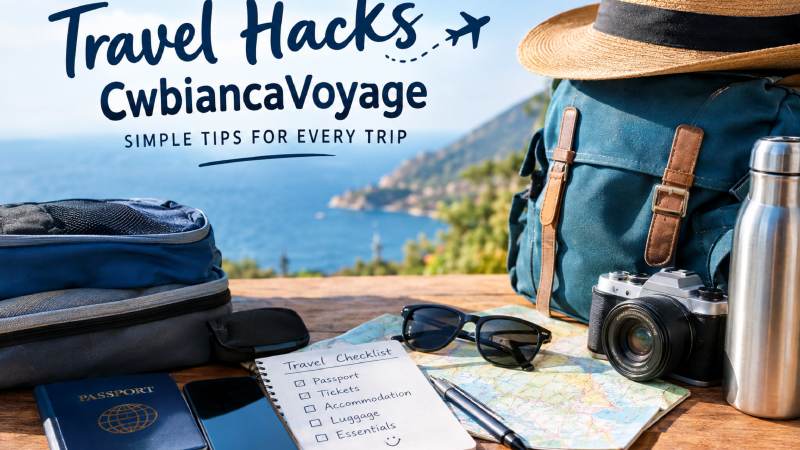
Create a Simple Travel Checklist
A checklist can help you remember important tasks before leaving home. Include travel documents, booking confirmations, packing essentials, chargers, and any destination-specific requirements.
Review your checklist a few days before departure instead of waiting until the last moment. This gives you time to replace missing items or resolve problems.
2. Pack Light and Choose Versatile Clothing
Overpacking is a common travel mistake. Carrying too many belongings can make it harder to move between airports, hotels, train stations, and other destinations.
Before packing, consider the weather, length of your trip, and activities you expect to enjoy. Choose clothing that can be mixed and matched to create different outfits.
Neutral colors and versatile pieces can help you create several combinations without bringing too many items.
Use Packing Cubes or Small Organizers
Packing cubes can help separate clothing, accessories, and other belongings. They make it easier to find what you need without unpacking your entire bag.
You can organize items by category, such as shirts, trousers, underwear, or travel accessories. Small pouches are also useful for keeping cables, toiletries, and personal items together.
Keep Essential Items Accessible
Place frequently used items near the top of your bag or in an easily accessible compartment. This can save time when you need your phone charger, travel documents, or other necessities.
For longer journeys, keep essential items in your hand luggage when appropriate. This may help if your checked baggage is delayed.
3. Make Your Travel Budget Work Better
A well-organized budget can help you enjoy your trip without worrying constantly about expenses. Start by estimating the major costs, including transportation, accommodation, food, local travel, and activities.
After covering these essentials, decide how much you can comfortably spend on entertainment, shopping, and unexpected expenses.
Track Your Daily Spending
Keeping a simple record of your expenses can help you understand where your money goes. You can use a notebook, spreadsheet, or budgeting application.
Review your spending at the end of each day. If you spend more than expected on one activity, you can adjust other plans without losing control of your overall budget.
Compare the Full Cost of Travel Options
The cheapest option is not always the most economical overall. A low-priced hotel far from major attractions may require more transportation spending.
When comparing options, consider the total cost, convenience, travel time, and included facilities. This helps you make decisions based on the whole experience rather than one price alone.
4. Organize Travel Documents Digitally
Keeping travel documents organized can prevent confusion during your journey. Depending on your destination, you may need identification, tickets, accommodation confirmations, visas, or other documents.
Store important digital copies securely where appropriate, and keep original documents protected.
Prepare an Offline Travel Folder
Internet access may not always be available when you need it. Save essential information offline, including:
- Accommodation addresses and booking details.
- Transportation confirmations.
- Important travel contacts.
- Maps or directions for key locations.
- Relevant travel documents and entry information.
For international trips, verify current entry requirements through official sources before departure. Make sure your documents meet the requirements for your specific destination.
5. Use Technology to Simplify Your Journey
Technology can make travel easier when used thoughtfully. Navigation applications, translation tools, digital tickets, and travel-planning applications can help you organize your activities and find your way around unfamiliar places.
Download useful maps before departure if offline access is available. This can be especially helpful when traveling through areas with limited internet coverage.
Keep your phone charged and bring suitable charging equipment. A power bank may also be useful during long travel days, subject to airline and transportation rules.
Remember to protect your devices with secure passwords and avoid accessing sensitive accounts through unfamiliar or unsecured networks.
6. Make Airport and Station Travel Easier
Airports and train stations can become stressful when travelers are rushed or unfamiliar with the layout. Preparing before arrival can help you move through these places more confidently.
Check your departure time, terminal or platform information, baggage rules, and transportation arrangements in advance.
Allow enough time for check-in, security procedures, and unexpected delays. If you are traveling internationally, review the relevant airline and airport guidance before leaving.
Keep Your Travel Essentials Together
Keep your boarding pass, identification, phone, and other required items in a secure, accessible location.
Avoid placing essential documents at the bottom of a packed bag. Having them ready when needed can make check-in and boarding more straightforward.
7. Choose Accommodation With Convenience in Mind
Accommodation affects both comfort and travel expenses. Before booking, compare location, transportation access, facilities, cancellation policies, and recent reviews.
A place near public transportation or the attractions you plan to visit may save time and reduce local travel costs.
Think about your travel style as well. If you expect to spend most of your day exploring, you may prefer a simple, comfortable place in a convenient location rather than paying for facilities you will rarely use.
Always review booking conditions and check-in arrangements before confirming your stay.
8. Save Time With a Flexible Itinerary
A packed schedule can make a vacation feel like work. Instead of trying to visit every attraction, choose a few activities that matter most to you.
Group nearby attractions together to reduce unnecessary travel between locations. For example, you could explore several places in one neighborhood on the same day.
Leave some space in your schedule for meals, rest, and unexpected discoveries.
Flexibility is especially valuable when weather changes or transportation delays affect your plans. A relaxed itinerary makes it easier to adjust without feeling that the entire day has been wasted.
9. Discover Local Experiences
Travel is not only about famous landmarks. Local markets, neighborhood cafés, parks, small museums, and cultural events can offer memorable experiences.
Research local customs before visiting, especially when entering religious or culturally significant places. Respect photography rules, clothing expectations, and other local guidelines.
Learning a few basic phrases in the local language can also make everyday interactions more pleasant.
Ask residents or experienced travelers for recommendations when appropriate. They may suggest interesting places that are not included in typical tourist guides.
10. Stay Comfortable During Long Journeys
Long journeys can be tiring, especially when traveling by plane, bus, or train. A few simple preparations can make the experience more comfortable.
Wear suitable clothing, keep water available where permitted, and bring something enjoyable to do during the journey.
Books, downloaded music, podcasts, and other offline entertainment can help pass the time.
If you expect to sleep while traveling, consider bringing suitable comfort items such as an eye mask or travel pillow. Choose items that fit your luggage and transportation requirements.
For extended journeys, take opportunities to move around when it is safe and permitted.
11. Keep Your Belongings Safe and Organized
Traveling through busy places requires attention to your belongings. Keep valuable items secure and be mindful of your surroundings, particularly in crowded transportation areas and tourist locations.
Avoid carrying unnecessary valuables, and do not display large amounts of cash.
When leaving accommodation, take a moment to check the room for personal belongings. Chargers, clothing, and small accessories are easy to forget.
If you are carrying important documents, keep them protected and know where they are stored.
12. Prepare for Unexpected Changes
Even a carefully planned journey can include surprises. Flights may be delayed, weather may change, and planned activities may become unavailable.
Try to prepare for reasonable possibilities without worrying about every potential problem.
Keep some flexibility in your budget and schedule. Save important booking information and know how to contact your accommodation or transportation provider if needed.
Depending on your destination and travel plans, travel insurance may be worth considering. Review available coverage and conditions before choosing a policy.
When something unexpected happens, focus on practical solutions and give yourself time to adjust.
13. Practice Responsible Travel
Responsible travel helps protect the destinations and communities you visit. Follow local rules, avoid littering, and treat cultural and natural sites with care.
Consider supporting locally owned businesses when possible. Local restaurants, shops, and services can provide meaningful opportunities to experience the destination.
Be respectful of residents and other travelers. Keep shared spaces clean, follow accommodation guidelines, and respect personal boundaries.
Small, thoughtful choices can help make travel more enjoyable for everyone.
14. Learn From Every Trip
Every journey provides an opportunity to improve your travel habits. After returning home, think about what worked well and what you would change next time.
Perhaps you packed too many clothes, underestimated transportation time, or discovered a useful accessory that made your journey easier.
Keep a simple list of lessons learned. You can use it when preparing for future trips and gradually develop a travel routine that suits your needs.
The goal is not to make every trip identical. It is to use your experiences to become more prepared, confident, and flexible.
Final Thoughts
Travel does not have to be complicated to be rewarding. A little preparation, thoughtful packing, sensible budgeting, and flexible planning can make a meaningful difference to your journey.
The ideas in this guide are intended to help travelers reduce avoidable stress while making more room for enjoyable experiences. Choose the suggestions that fit your destination, budget, and personal travel style.
Travel hacks cwbiancavoyage are ultimately about making practical choices that help you spend less time worrying about logistics and more time enjoying your adventure.
Whether you are preparing for a short getaway or a longer journey, remember to stay organized, respect local communities, and remain open to unexpected discoveries. With a balanced approach, every trip can become a more comfortable and memorable experience.