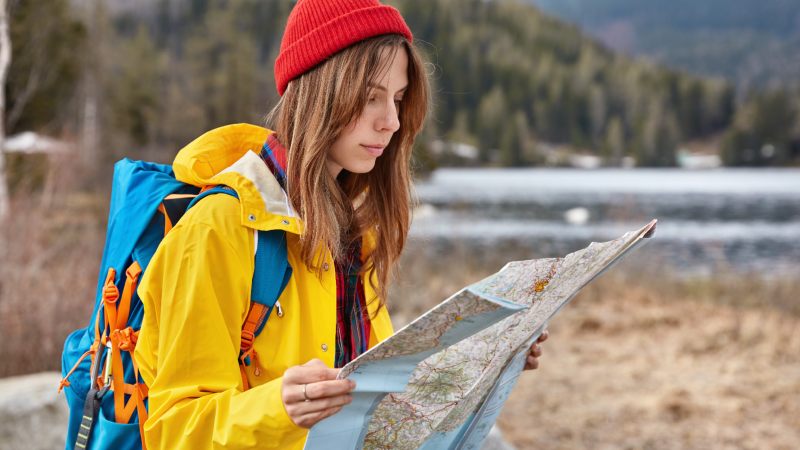
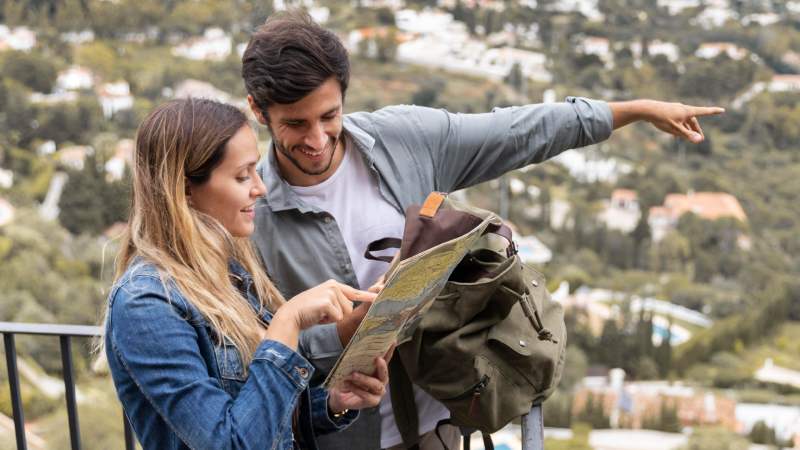
Traveling can be exciting, refreshing, and full of memorable experiences, but good preparation can make a major difference in how smoothly a journey goes. From choosing the right destination to organizing luggage and managing daily plans, small decisions can help travelers save time, avoid unnecessary stress, and enjoy their trips more comfortably.
Traveling tips cwbiancavoyage are designed to provide practical ideas for travelers who want to prepare wisely without making their plans unnecessarily complicated. Whether you are taking a short vacation, planning a backpacking adventure, or visiting a destination for the first time, simple travel habits can make your experience more enjoyable.
Plan Your Trip Before You Leave
Good travel experiences often begin before you leave home. You do not need to create a strict schedule for every hour, but it is useful to understand the basics of your destination.
Research the local weather, transportation options, accommodation, popular attractions, and general costs. This gives you a better idea of what to expect and helps you prepare appropriately.
Think about the purpose of your trip as well. A relaxing holiday may require a slower schedule, while an adventure-focused trip could involve more activities and transportation.
Keep your plans flexible. Unexpected opportunities, weather changes, delays, or local recommendations can sometimes make an unplanned experience one of the highlights of your journey.
Choose Accommodation Carefully
Where you stay can affect your entire travel experience. Consider location, transportation access, available facilities, reviews, and your budget before making a booking.
A cheaper accommodation that is far away from everything may not always save money if you spend significant amounts on transportation. On the other hand, a centrally located option can make it easier to explore nearby attractions.
Before booking, check the accommodation’s current information and understand what is included. Knowing whether Wi-Fi, breakfast, parking, or other facilities are available can help you plan your expenses more accurately.
Pack According to Your Destination
One of the most useful travel habits is learning to pack according to your actual needs rather than packing for every possible situation.
Check the expected weather and consider the activities you plan to do. Choose versatile clothing that can be combined in different ways. Comfortable shoes are particularly important if you expect to walk frequently.
Avoid filling your luggage with items you probably will not use. Heavy luggage can make airports, public transportation, hotels, and walking between destinations more difficult.
The goal is to create luggage that is practical, organized, and manageable.
Keep Important Items Accessible
Travel documents, identification, payment methods, phone, chargers, and other essentials should be stored somewhere convenient and secure.
Keep frequently used items easily accessible near the top of your bag. This saves time when you need something quickly and prevents you from searching through all your belongings.
For longer journeys, consider keeping essential items in your hand luggage rather than placing everything in checked baggage. This can be especially useful if checked luggage is delayed.
It is also sensible to keep copies of important travel documents in a secure digital location when appropriate.
Create a Realistic Travel Budget
A travel budget helps you understand how much your journey may cost and reduces the chance of unexpected financial stress.
Start with major expenses such as transportation and accommodation. Then consider food, local transportation, attractions, shopping, and other activities.
Do not forget to leave some money available for unexpected expenses. A flexible reserve can be helpful if transportation changes, prices are higher than expected, or an unplanned opportunity appears.
You can also track your spending during the trip. A simple daily check can help you understand whether you are staying within your planned budget.
Learn About Local Customs
Every destination has its own customs, traditions, and social expectations. Learning a little about local culture before your trip can help you behave respectfully and avoid misunderstandings.
Research appropriate clothing, greetings, photography rules, tipping practices, and behavior at religious or cultural sites where relevant.
Learning a few basic words or phrases in the local language can also be helpful. Even simple greetings and expressions of thanks can make interactions more pleasant.
Respect should always be part of responsible travel.
Use Technology Wisely
Modern technology can make traveling much easier. Navigation apps, translation tools, digital maps, weather applications, and online booking services can help you manage unfamiliar destinations.
However, do not depend completely on an internet connection. Save important information offline whenever possible, especially addresses, booking details, maps, and transportation information.
Keep your devices charged and consider carrying a suitable charger or power bank where appropriate.
Technology should make travel more convenient rather than becoming another source of stress.
Make Transportation Easier
Transportation can take up a significant part of a trip, so planning it carefully can save both time and money.
Before traveling, learn about the main transportation options at your destination. Depending on the location, these may include trains, buses, taxis, rental vehicles, walking routes, or local transportation services.
Allow extra time when traveling to airports, stations, or other important departure points. Unexpected traffic, queues, or delays can happen even when everything appears to be going according to plan.
For longer journeys, keep your essential belongings close and remain aware of your surroundings.
Avoid Overplanning
Planning is useful, but overplanning can make a trip feel like a list of tasks instead of an enjoyable experience.
Choose a few important attractions or activities that you genuinely want to experience and leave some free time between them. This gives you the opportunity to explore naturally.
You may discover a local café, interesting neighborhood, small museum, market, or scenic location that was not part of your original plan.
Flexibility can create some of the most memorable travel experiences.
Travel More Comfortably
Comfort becomes especially important during long journeys. Wear suitable clothing, stay hydrated, and take opportunities to move around when traveling for extended periods.
If you are traveling by plane, train, or bus, consider bringing simple entertainment such as downloaded music, podcasts, books, or movies.
Sleep can also be difficult when changing locations or time zones. Try to maintain reasonable rest and avoid creating an unnecessarily exhausting schedule.
Traveling tips cwbiancavoyage emphasize practical choices that make journeys easier without requiring complicated preparation.
Stay Aware of Your Belongings
Being organized and aware can help reduce common travel problems. Keep valuable belongings secure and avoid displaying large amounts of cash unnecessarily.
When visiting busy locations, pay particular attention to bags, phones, wallets, and important documents.
Before leaving a hotel or accommodation, quickly check the room for personal belongings. Chargers, clothing, passports, and small accessories are easy to overlook.
Simple habits like these can prevent avoidable problems.
Keep Your Schedule Flexible
Travel rarely goes exactly according to plan. Flights can be delayed, transportation can change, weather can affect activities, and attractions can sometimes be unavailable.
Instead of allowing these situations to ruin your trip, build some flexibility into your schedule.
Avoid booking every activity back-to-back when possible. Extra time between plans gives you room to deal with unexpected changes.
A flexible traveler is often better prepared to enjoy the journey even when circumstances change.
Explore Beyond Popular Attractions
Famous landmarks can be worth visiting, but they are not the only way to experience a destination.
Spend some time exploring local areas, trying regional food, visiting smaller attractions, or observing everyday life. These experiences can provide a deeper understanding of the place you are visiting.
Ask locals or experienced travelers for recommendations when appropriate. They may suggest interesting places that are not included in standard travel guides.
Always respect local rules and communities while exploring.
Practice Responsible Travel
Travelers have a responsibility to respect the destinations they visit. Avoid littering, follow local rules, and treat cultural and natural sites carefully.
Consider supporting local businesses when possible. Eating at locally owned restaurants, purchasing from local shops, and using local services can contribute to the communities you visit.
Responsible travel also means respecting other travelers. Keep shared spaces clean, follow accommodation rules, and be considerate of people around you.
Small actions can contribute to better experiences for everyone.
Prepare for Unexpected Situations
Even the best travel plan cannot prevent every problem. Delays, lost belongings, weather changes, and other unexpected situations can happen.
Prepare for reasonable possibilities without becoming overly worried. Keep essential documents secure, maintain access to emergency funds, and know how to contact appropriate local services if necessary.
Depending on your destination and trip, travel insurance may also be worth considering. Research available options and understand what they cover before making a decision.
The key is to remain calm and focus on practical solutions when something unexpected occurs.
Learn From Every Journey
Every trip provides an opportunity to improve your future travel habits. After returning home, think about what worked well and what could have been better.
Maybe you packed too much, underestimated transportation time, or discovered that a particular travel accessory was unnecessary. Remember these lessons for your next trip.
Over time, these small improvements can make you more confident and efficient as a traveler.
Traveling tips cwbiancavoyage can serve as a starting point for developing practical habits that fit your own travel style, destination, and budget.
Final Thoughts
Travel becomes easier when you focus on practical preparation rather than trying to predict every possible situation. Research your destination, pack thoughtfully, manage your budget, protect your important belongings, and leave enough flexibility in your schedule.
At the same time, remember that travel is about more than organization. Give yourself opportunities to explore, meet people, experience local culture, and enjoy moments that were not part of the original plan.
Whether you are planning a short getaway or a long adventure, sensible preparation can help you travel with greater confidence.
The best travel approach is one that balances preparation with flexibility. By developing simple habits and learning from every journey, you can make future trips smoother, more comfortable, and more memorable.
Traveling tips cwbiancavoyage are ultimately about making travel practical while leaving enough space for discovery, adventure, and enjoyment. See more