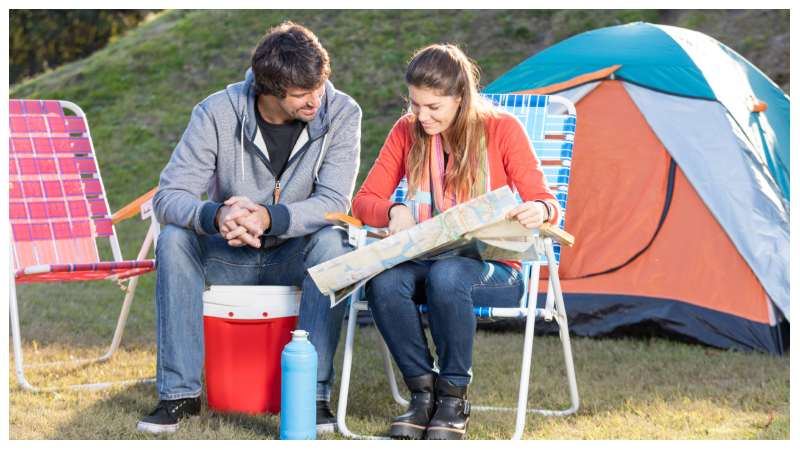
Travel is one of the best ways to discover new places, experience different cultures, meet interesting people, and create lasting memories. However, a successful trip does not happen simply because you choose a destination. Good preparation, sensible packing, flexible planning, and practical decision-making can make a significant difference to the overall experience.
CwbiancaVoyage is designed around the idea that travel information should be useful, straightforward, and easy to understand. Whether you are preparing for your first adventure or already have experience exploring different destinations, having reliable guidance can help you feel more confident before and during your journey.
Why Practical Travel Planning Matters
Travel planning does not have to mean creating an extremely detailed schedule for every minute of your trip. Instead, effective planning means understanding the important parts of your journey before you leave.
Start by researching your destination, including its weather, local transportation, accommodation options, popular attractions, cultural expectations, and general costs. This basic information can help you establish realistic expectations and avoid unnecessary surprises.
It is also useful to think about the purpose of your trip. A backpacking adventure may require a different approach from a family vacation, business journey, or short weekend getaway. Knowing what you want from the experience makes it easier to decide what to pack, where to stay, and how much time to spend in different places.
A flexible plan is often better than a rigid one. Leave some room for unexpected opportunities, changes in weather, delays, or recommendations from people you meet along the way.
Making Travel Easier
One of the biggest benefits of preparation is that it can make traveling less stressful. Simple decisions made before leaving home can save time and energy later.
Keep important travel documents organized and make digital copies where appropriate. Check your transportation details before departure and confirm accommodation arrangements. If your destination requires special documentation, research the current requirements through appropriate official sources.
Another useful habit is keeping essential items easy to access. Your identification, travel documents, payment methods, phone, charger, and other important necessities should not be buried at the bottom of your luggage.
Smart Packing for Different Trips
Packing is often one of the most challenging parts of traveling. People frequently pack too much because they are worried about forgetting something. Unfortunately, an overloaded suitcase can make transportation more difficult and reduce flexibility.
Before packing, consider the length of your trip, destination climate, planned activities, accommodation facilities, and available laundry options. Choose clothing that can be combined in several ways rather than taking separate outfits for every day.
Neutral and versatile clothing can be especially useful because individual pieces can work for multiple occasions. Comfortable footwear is equally important, particularly if you expect to walk frequently.
To make packing more efficient, place similar items together and use small organizers for accessories. Keep the items you use most often easily accessible near the top of your bag. This can prevent you from unpacking everything whenever you need something.
The principles shared by CwbiancaVoyage encourage travelers to focus on usefulness rather than simply carrying more belongings. A lighter, well-organized bag can make airports, train stations, hotels, and local transportation much easier to navigate.
How to Save Time Before Departure
Many travelers leave packing and preparation until the last possible moment. This can create unnecessary stress and increase the chance of forgetting important items.
Instead, start preparing gradually. A few days before departure, make a simple list of essentials and check items as they are prepared. Charge electronic devices, organize travel documents, confirm transportation, and review accommodation information.
If you travel regularly, keeping a reusable packing list can save considerable time. You can adjust it according to each destination rather than creating a completely new list every time.
Another helpful approach is to keep frequently used travel accessories together between trips. A small travel kit containing chargers, adapters, organizers, and other reusable items can make future preparation faster.
Backpacking Requires Flexibility
Backpacking can provide a unique sense of freedom because travelers often have fewer fixed arrangements. At the same time, backpacking requires practical decision-making.
When traveling with a backpack, every item matters. Heavy or unnecessary belongings become more noticeable when you carry them for long periods. Prioritize essentials and select products that are practical, durable, and suitable for your destination.
Research transportation options before arriving, but avoid planning every detail too rigidly. You may discover better routes, attractions, or accommodation options after speaking with other travelers or locals.
Budgeting is another important part of backpacking. Establish a realistic daily spending target while keeping an emergency reserve. Track your expenses periodically so you know whether your spending is staying within your planned budget.
Travel Hacks That Actually Help
The best travel hacks are usually simple habits rather than complicated tricks. For example, keeping a small amount of essential medication or personal necessities in your hand luggage can be useful if checked baggage is delayed.
Similarly, carrying a refillable water bottle where permitted, wearing comfortable clothing during long journeys, and keeping entertainment available for transportation can make travel more comfortable.
Technology can also simplify travel. Maps, translation tools, digital booking confirmations, weather applications, and secure payment options can help travelers navigate unfamiliar destinations.
However, technology should support your trip rather than control it. Keep important information available offline when possible, and do not depend entirely on an internet connection.
Staying Organized During Your Journey
Organization becomes particularly important once your trip begins. After several days of moving between destinations, it can be easy for belongings and schedules to become disorganized.
Try to return important items to the same location after using them. Keep documents, money, electronics, and other essentials in secure places.
If you are traveling between several destinations, review your belongings before leaving each accommodation. A quick room check can help prevent forgotten chargers, clothing, documents, or personal items.
It is also useful to maintain a simple record of important reservations and transportation information. Having these details organized can reduce confusion when your schedule becomes busy.
Making the Most of New Destinations
Travel is not only about visiting famous attractions. Some of the most memorable experiences can come from exploring local neighborhoods, trying regional food, visiting smaller attractions, or simply observing everyday life.
Before arriving, learn a little about local customs and etiquette. Understanding basic cultural expectations can help you interact respectfully with residents and avoid misunderstandings.
Do not feel pressured to copy someone else’s travel style. Some people prefer packed schedules, while others enjoy slow travel. Choose an approach that matches your interests, budget, energy level, and available time.
A successful journey is ultimately one that provides meaningful experiences while remaining comfortable and manageable.
Responsible Travel Choices
Responsible travel involves thinking about how your choices affect local communities, environments, and other travelers.
Respect local rules and cultural traditions. Avoid damaging natural areas, dispose of waste responsibly, and consider supporting locally owned businesses when appropriate.
Travelers can also reduce unnecessary waste by using reusable items and avoiding excessive disposable products. Small choices may seem insignificant individually, but responsible habits can contribute to better travel experiences for everyone.
Being respectful also means remembering that you are a guest when visiting another community. Treat local residents, workers, public spaces, and cultural sites with consideration.
Preparing for Unexpected Situations
Even excellent planning cannot eliminate every travel problem. Flights can be delayed, weather can change, reservations can become complicated, and transportation can occasionally be disrupted.
The best response is usually to remain calm and focus on practical solutions. Keep important documents accessible and maintain enough financial flexibility to handle reasonable unexpected expenses.
Travel insurance may also be appropriate depending on the destination, activities, and circumstances of your journey. Research available options carefully before making a decision.
Most importantly, understand that small problems do not necessarily ruin a trip. Flexibility and patience can turn an unexpected situation into part of the adventure.
Building Better Travel Habits
Good travel habits develop over time. After each journey, think about what worked well and what could be improved.
Perhaps you packed too many clothes, spent too much time moving between destinations, or discovered that a particular travel accessory was unnecessary. Make a note of these lessons and use them when planning your next trip.
Over time, these small improvements can make travel more efficient and enjoyable. You become better at estimating what you need, managing your time, and responding to unexpected situations.
This practical approach is central to CwbiancaVoyage, where useful travel ideas are intended to help readers prepare with greater confidence and enjoy their journeys with fewer unnecessary complications.
Final Thoughts
Travel does not need to be complicated to be rewarding. Thoughtful preparation, efficient packing, flexible planning, and respectful behavior can help create a smoother experience from departure to arrival.
The most valuable travel advice is often practical: understand your destination, carry what you genuinely need, protect your important belongings, allow room for unexpected changes, and remain open to new experiences.
Whether you are planning a short break, a long adventure, or your first backpacking journey, the right preparation can make a meaningful difference. Use reliable information, consider your individual circumstances, and create a travel style that works for you.
With a practical mindset and a willingness to explore, every journey can become an opportunity to learn something new. CwbiancaVoyage aims to provide useful inspiration and straightforward guidance for travelers who want to explore more confidently, pack more efficiently, and make their adventures more enjoyable. For more information or travel-related questions, please visit our Contact us.